
The Hidden Telehealth Benefits for Medical Practices in 2026
Telehealth benefits reach way beyond what was needed during the pandemic. Recent studies show 98% of employees want to work remotely at least part of the time. Many medical practices overlook significant opportunities that telehealth presents to help them grow and stay sustainable.
The healthcare scene continues to change faster than ever. On top of that, more than 52% of medical practices say up to a quarter of their workforce works remotely now. These trends show how telehealth plays an expanding role in healthcare. Medical practices often miss out on telehealth’s benefits for organizational efficiency and patient care.
This piece reveals hidden telehealth advantages that smart medical practices use today. They leverage everything from revenue growth opportunities to improved clinical outcomes. These practices also gain operational efficiencies and competitive advantages that will shape successful healthcare delivery in 2026.
Table of Contents
Supporting Medical Staff in the Telehealth Era

Telehealth has changed not only how patients receive care, but also how medical staff work behind the scenes. From physicians and nurses to administrative coordinators and support personnel, every role benefits from more flexible workflows and improved access to digital tools. When implemented correctly, telehealth reduces pressure on staff, improves communication, and helps medical practices maintain consistent care standards even during periods of high demand.
Reduced Administrative Burden and Better Time Management
Telehealth platforms streamline routine processes such as appointment scheduling, follow-ups, and patient communication. This allows medical staff to spend less time on repetitive administrative work and more time focusing on patient care. Nurses and coordinators can manage patient interactions remotely, while physicians can conduct consultations without the logistical constraints of in-person visits. This improved efficiency helps reduce burnout and creates a more balanced workload across the entire team.
Easier Access to Qualified Professionals When Needed
Telehealth also makes it easier for practices to expand their teams without traditional hiring limitations. Many providers now rely on a healthcare staffing platform to find qualified nurses, specialists, and support staff who can work remotely or on flexible schedules. This approach allows clinics to respond quickly to changing patient volumes while ensuring that their core medical staff remains supported. As a result, practices can maintain continuity of care while reducing the risks associated with understaffing.
Stronger Clinical Support and More Informed Decision-Making
Telehealth platforms do more than improve scheduling and staffing. They also support medical staff by providing tools that enhance clinical accuracy and care quality. Many modern telehealth systems use machine learning to analyze patient data, detect patterns, and assist providers in identifying potential health risks earlier.
These technologies help clinicians make more informed decisions by highlighting important changes in patient conditions and supporting more precise treatment planning. In addition to improving diagnostic confidence, machine learning also contributes to smoother operations, allowing medical staff to deliver timely, accurate, and more personalized care across virtual and in-person settings. Keep in mind that a career in healthcare has a long development cycle, and it’s vital that technology fits the process.
Revenue growth opportunities beyond patient visits
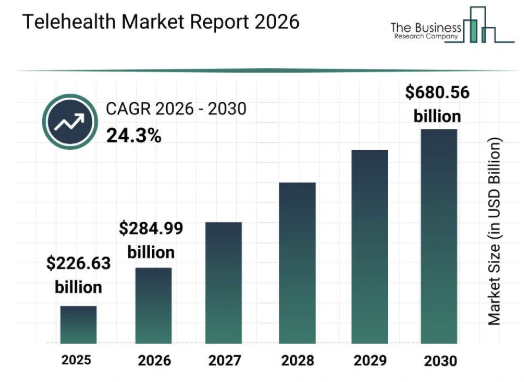
Medical practices often look beyond virtual visit revenue to find hidden financial opportunities in telehealth. Telehealth creates multiple ways to improve your practice’s bottom line beyond simple consultation fees.
Reduced no-show rates and scheduling efficiency
The financial benefits become clear when you look at reduced appointment no-shows. Studies reveal telehealth visits show a substantially lower no-show rate (16.3%) compared to face-to-face appointments (19.6%). Telehealth encounters led to 29% lower odds of no-shows in fully adjusted models. The numbers look even better in surgical settings, where telehealth reduced no-show odds by 79%. A single missed appointment costs about $260, so these improvements directly boost revenue.
Remote patient monitoring reimbursement
Remote patient monitoring (RPM) could be your next major revenue stream. Medicare covers RPM services extensively with specific reimbursement codes that can generate substantial recurring revenue. Your practice could earn about $118,800 yearly in Medicare reimbursement by enrolling just 100 patients in RPM, plus $2,200 for setup fees. The reimbursement structure looks like this:
- $22 for patient enrollment and device setup
- $47 monthly to monitor patient data
- $52 monthly for 20 minutes of RPM management time
- Extra payments for extended management time
Expanded patient capacity without facility costs
Your practice can see more patients without physical space constraints through telehealth. Virtual appointments streamline the patient’s experience by cutting paperwork and vital-sign collection time. This allows providers to spend more time on billable care. The result is higher patient capacity and increased profits without extra facility costs.
Insurance and Medicare telehealth billing advantages
Medicare telehealth flexibilities will continue through December 31, 2027, thanks to recent legislation. Patients can still access non-behavioral health services at home, and providers can bill for audio-only visits. The policy removes geographic restrictions that used to limit telehealth billing. Federally Qualified Health Centers and Rural Health Clinics can now bill telehealth services at their standard rates through these extensions. This creates valuable revenue opportunities for practices serving these populations.
Clinical benefits of telehealth that improve patient outcomes

Telehealth brings more than just money savings – it delivers real benefits that affect patient health outcomes. Research shows that telehealth helps patients manage multiple chronic conditions better and makes preventive care work more effectively.
Better chronic disease management and monitoring
Remote patient monitoring has revolutionized how we manage chronic diseases by tracking vital health metrics consistently. Studies reveal that telehealth platforms boost diabetes management through better patient participation and improved clinical metrics like HbA1c levels. Patients with diabetes who started using primary care telemedicine showed much higher rates of HbA1c measurement (91.0% for video, 90.5% for telephone vs. 86.7% without visits) and better HbA1c control. Patients using home telehealth monitoring spent fewer days in the hospital (2.4 ± 3.5 days) compared to previous years without monitoring (4.1 ± 4.6 days).
Increased medication adherence and follow-up care
Telehealth makes a big difference in medication compliance, which is vital for successful treatment. Text message reminders help patients with chronic conditions stick to their medication schedules. One meta-analysis found that these messages doubled the odds of medication adherence. Additionally, eHealth interventions showed positive effects on medication adherence for patients with affective disorders, and none showed negative effects. These improvements lead to better follow-up outcomes, especially for patients with cancers and diabetes.
Early intervention and preventive care opportunities
Knowing how to spot and address health issues early is another vital telehealth benefit. Studies show that telehealth speeds up triage, diagnosis, and early treatment. Patients who had at least one telehealth visit ended up in the hospital less often, even though they had a higher average disease burden measured by the Charlson Comorbidity Index. The research shows impressive results: 18 fewer all-cause hospitalizations and 37 fewer condition-related hospitalizations per 1,000 patients.
Enhanced care coordination across specialists
Telehealth helps healthcare providers work together smoothly, regardless of their location. This team approach expands care capacity and improves collaboration between primary and specialty care clinicians, leading to faster diagnosis and more effective treatment. Telemedicine support assistants contribute by coordinating virtual appointments, organizing records, and ensuring providers have access to accurate patient information. Their support helps primary care providers manage consultations with multiple specialists while maintaining continuity and clear communication throughout the patient’s care.
Hidden operational advantages for your practice
Medical practices often overlook how telehealth creates major operational benefits behind the scenes. These hidden advantages can revolutionize daily operations and boost profitability in subtle yet powerful ways.
Lower overhead and facility expenses
Telehealth cuts down facility-related costs for medical practices. The original setup and running costs are much lower than setting up physical clinic spaces. Practices save money through reduced utility costs and fewer administrative staff, which directly improves their profit margins.
Efficient staff workflows and productivity
Telehealth makes providers more productive. Research shows telehealth providers were 124 RVUs/FTE more productive (about 4% above average). Providers who used telehealth the most averaged 188 RVUs/FTE, higher than those who didn’t use telehealth. This lets clinicians see up to four more patients each day.
Extended service hours without additional costs
Practices can offer more availability without spending more money through telehealth. The platform eliminates transition time between patients and allows better scheduling and after-hours coverage. Patients who need care outside regular office hours find this flexibility appealing.
Conclusion
Telehealth has proven to be much more than a convenience tool. It has become a practical way for medical practices to protect their staff, improve care delivery, and create new opportunities for growth. By removing physical limitations and simplifying daily workflows, telehealth gives providers more control over how they operate. Practices that embrace it can respond faster to patient needs, maintain stable staffing levels, and deliver consistent care even during periods of uncertainty or increased demand.
Looking ahead, telehealth will continue to reward practices that treat it as a core part of their long-term strategy rather than a temporary solution. Those who invest in the right tools, support their staff, and integrate virtual care into everyday operations will be better prepared to grow sustainably. Telehealth allows medical practices to build more flexible teams, reach more patients, and create a more resilient foundation that supports both clinical excellence and financial stability well into the future.