Instantly Create Legally Binding Contracts with a Contract Maker

Instantly Create Legally Binding Contracts with a Contract Maker

If you’re a virtual assistant, freelancer, or small business owner, having the right contracts in place is non-negotiable. Whether you’re onboarding a new client, subcontracting work, or protecting your IP, clear, legally binding agreements keep everyone accountable and covered.

But hiring a lawyer for every new agreement? That’s expensive and time-consuming.

Good news: contract makers are changing the game. These digital tools help you create legally sound contracts in minutes—without needing legal expertise.

What’s a Contract Maker?

A contract maker is an online platform that lets you build ready-to-sign legal agreements using customizable templates. Most tools include forms for common use cases like:

  • Independent contractor agreements

  • Non-disclosure agreements (NDAs)

  • Client service agreements

  • Employment contracts

These tools are designed to walk you through the process step by step, filling in the legal blanks while you focus on the work that matters.

Why Virtual Assistants and Business Owners Use Contract Makers

1. No Legal Background Needed

Contract makers simplify legalese with plain-English templates. You don’t need to be a lawyer to get a contract that holds up.

2. Fast and Efficient

You can go from zero to ready-to-sign in 10–15 minutes. Templates are pre-loaded with standard legal clauses—you just fill in the names, scope, rates, and deadlines.

3. Professional and Compliant

The best platforms follow U.S. and international e-signature laws (like ESIGN and eIDAS). Many also include built-in compliance checks so you’re not missing anything critical.

What Makes a Contract Legally Binding?

Even with a slick tool, a contract still needs a few legal essentials to be enforceable:

  • Offer and Acceptance – One side proposes terms, the other agrees.

  • Consideration – Both parties exchange value (money, services, etc.).

  • Mutual Intent – Everyone agrees this contract means business.

  • Capacity – Both parties are of legal age and sound mind.

  • Legal Purpose – The agreement must be for something lawful.

Good contract maker platforms prompt you to include all of the above.

How to Create a Contract in Minutes

Here’s a step-by-step rundown using a contract maker:

  1. Pick a Template
    Choose a template that fits your scenario (e.g., VA service agreement).

  2. Customize the Details
    Add names, scope of work, payment terms, deadlines, cancellation clauses, etc.

  3. Review for Accuracy
    Make sure nothing’s missing. Most platforms flag any issues or gaps.

  4. Add Digital Signatures
    Use the built-in e-signature tool so both parties can sign instantly and securely.

  5. Save and Share
    Email the signed copy or store it securely online for easy access later.

Legal Compliance, Covered

Contract makers are built to meet modern legal standards for online contracts and e-signatures. Platforms worth using will:

  • Provide vetted, lawyer-reviewed templates

  • Comply with relevant laws (like ESIGN or eIDAS)

  • Offer secure digital signing tools

That means your contract isn’t just convenient—it’s court-ready if it ever needs to be.

Mistakes to Avoid (and How Contract Makers Help)

Even with smart tools, errors happen. Here are a few common contract mistakes—and how contract makers help you avoid them:

  • Vague or unclear language → Templates come with clear legal phrasing

  • Missing key clauses → Built-in checklists guide you

  • Not having a signed copy → E-signature tools track who signed and when

Why Contract Makers Are a No-Brainer

For VAs and business owners, here’s what makes contract makers a must-have:

  • ✅ Save hours drafting from scratch

  • ✅ Avoid pricey legal fees for basic contracts

  • ✅ Reduce risk and misunderstandings

  • ✅ Look professional to clients and partners

Conclusion

Contracts aren’t just paperwork—they’re protection. Using a contract maker means you don’t have to choose between speed, affordability, and legal security. You can have all three.

Whether you’re just starting as a virtual assistant or scaling your remote team, having the right contracts in place—fast—gives you peace of mind and protects your business.

Don’t wait until there’s a problem. Get your contract process dialed in today.

Read More

6 Mobile Office Layouts Perfect for Remote Work

6 Mobile Office Layouts Perfect for Remote Work

Working remotely from a vehicle sounds like freedom, but it comes with a real challenge: where do you actually set up to work? Whether you’re answering emails from a van or taking Zoom calls from an RV, you need a functional workspace that doesn’t make your back hurt or your productivity tank. This guide walks through six proven mobile office layouts that solve the puzzle of working efficiently while living on the road.

1. The Slideout Workspace

Best for: RV owners with slideouts who work alongside a partner or need extra elbow room.

When you extend your slideout, you gain enough space for side-by-side desks. This setup works brilliantly for couples who both work remotely or need different workspace zones.

The proximity to the kitchen means easy coffee refills without losing focus. Just step a few feet and you’re back at your desk.

Key features:

  • Expandable workspace doubles your square footage
  • Two distinct work zones without walls
  • Quick access to the kitchen and living areas

2. The Rear Office Setup

Best for: Privacy seekers and people who need a dedicated “office door” to close.

This layout places your entire workspace at the back of your RV or van. A built-in desk runs along the rear wall with storage cabinets above and beside it. The large rear window provides natural light without the distractions of passing traffic.

The separation from living areas helps you mentally switch into work mode. Planning the electrical and structural aspects of a rear office requires careful consideration of mobile office van features like power outlet placement, desk mounting systems, and cable routing to ensure everything works smoothly. A well-thought-out setup can make your workspace both efficient and comfortable for long hours on the road.

Key features:

  • Fixed desk installation for stability
  • Wall-mounted monitor options
  • Cabinet space for files and equipment

3. The Swivel Seat Office

Best for: Van dwellers and solo remote workers maximizing minimal space.

Transform your passenger seat into an instant office by rotating it 180 degrees. Add a small foldable desk that extends from the wall or dashboard area, and you’ve got a workspace that disappears when not needed.

This setup uses zero dedicated floor space. When work ends, fold away the desk and swivel the seat back for driving or hanging out.

Key features:

  • No permanent furniture installation
  • Perfect for tight van conversions
  • Easy setup and breakdown

4. The Convertible Dinette

Best for: Part-time remote workers who don’t need a permanent desk.

Your dining table becomes your office during work hours. Most RV dinettes already sit at a comfortable working height with bench seating that provides decent back support.

Store your laptop and work supplies in the bench storage underneath. Setup takes two minutes in the morning, and breakdown is just as quick when you want your eating space back. This flexibility makes it easier to practice effective delegation when you need to hand off tasks to your virtual team while traveling.

Key features:

  • Zero additional furniture required
  • Hidden storage in bench seats
  • Comfortable for 4-6 hour work sessions

5. The Standing Desk Configuration

Best for: Health-focused workers tired of sitting all day.

Install adjustable-height surfaces so you can alternate between sitting and standing throughout the day. Some layouts even include outdoor setups, allowing you to work under the awning when the weather is nice.

Standing desks combat the stiffness that comes from long hours in a vehicle, addressing sitting-related health risks. Your body gets movement variation without leaving your workspace.

Key features:

  • Height-adjustable work surfaces
  • Indoor and outdoor workspace options
  • Anti-fatigue mat storage

6. The Multi-Station Layout

Best for: Families or groups where multiple people work remotely.

Create three or more distinct workspace zones throughout your vehicle. One person works at the dinette, another at a rear desk, and a third at a side workspace. 

Shared resources like printers or extra monitors can sit in a central location accessible to all zones.

Key features:

  • Separate work areas reduce distractions
  • Accommodates different work styles
  • Shared equipment stations

Tips for Setting Up Your Mobile Office

Ergonomic furniture isn’t optional. Workplace ergonomics guidelines apply just as much to mobile offices as traditional ones. Invest in a proper office chair with lumbar support, even if it costs more upfront. Laptop stands and external keyboards prevent hunching that leads to chronic pain.

Your body wasn’t designed to hunch over a laptop on a wobbly table. A quality chair and proper desk height pay for themselves in avoided chiropractor visits.

Secure everything before travel days. Use bungee cords, storage bins with lids, or Velcro strips to keep equipment from becoming projectiles when you drive. A flying laptop is an expensive lesson you only need to learn once.

Lighting strategy matters more than you think. Combine natural window light with LED strips or desk lamps positioned to avoid screen glare. Harsh overhead lights cause headaches during long work sessions, while warm task lighting creates a comfortable workspace that doesn’t strain your eyes.

Power & Connectivity Essentials
Portable power station (500W+ capacity)
Mobile hotspot or signal booster
Extension cords rated for RV use
Surge protector for electronics
USB charging hub for multiple devices

Cable management prevents daily frustration. Use cable clips, zip ties, or cable sleeves to organize your charging cords and prevent the tangled mess that wastes time every morning. Label each cable so you’re not playing guessing games when something needs charging.

Test your internet connectivity options before committing to a workspace. Some layouts put you in dead zones for cell signal, so finding reliable Wi-Fi while traveling becomes a crucial part of your mobile office setup. Position your desk where you can actually connect to the outside world, or invest in a signal booster that extends your hotspot range.

Conclusion

The right mobile office layout transforms remote work from a logistical nightmare into a sustainable lifestyle. Whether you need dedicated privacy, flexible multi-use spaces, or room for multiple workers, one of these six configurations fits your situation. Start with the basics—good lighting, comfortable seating, and stable surfaces—then customize based on how you actually work. Your perfect mobile office is waiting to be built, and it doesn’t require a complete vehicle renovation to get started.


Read More

Smart Virtual Executive Assistants That Predict Needs Using AI

From Reactive to Proactive: Smart Virtual Executive Assistants That Predict Needs Using AI

For decades, executive assistants have been defined by their ability to respond quickly and handle details efficiently. Yet in 2025, responsiveness alone is no longer enough. The modern business world moves at a pace where decisions need to be made in real time, and leaders are now turning to a new type of partner: virtual executive assistants powered by artificial intelligence.

These assistants are not waiting for instructions. They anticipate what needs to be done before an executive even asks. Through predictive modeling, behavioral analysis, and real-time data integration, AI-enhanced virtual executive assistants are reshaping how leadership productivity works.

The Shift From Task Management to Anticipation

Traditional assistants, whether in-house or remote, have always excelled at handling requests. They organize meetings, manage inboxes, and execute specific instructions. But the latest generation of premium virtual executive assistant services takes this role further by analyzing behavioral patterns and operational data to predict what their executives will need next.

For instance, if an executive tends to review reports every Monday morning, the assistant can automatically pull data from analytics dashboards on Sunday night. If a team member schedules overlapping meetings, the system can identify the conflict in advance and reschedule accordingly.

This proactive functionality transforms assistance into an intelligent partnership. Instead of merely reacting to input, virtual executive assistants are beginning to think and act like decision enablers.

The Role of Predictive Modeling in Executive Support

Predictive modeling is one of the main technologies driving this shift. Using AI algorithms that learn from previous behaviors and communication patterns, these assistants can identify trends and anticipate likely actions.

By analyzing an executive’s calendar, communication tone, and task completion habits, the system can estimate when they are most likely to experience decision fatigue or scheduling bottlenecks. Once identified, it can recommend focus blocks, delegate low-value tasks, or reprioritize the week automatically.

This technology mirrors predictive analytics used in finance and marketing, but applies it to personal workflow optimization. It empowers leaders to operate in an environment where preparation happens automatically.

Behavioral Analysis: Understanding Work Style and Context

Beyond schedules and data, AI-driven assistants are learning to recognize context. Behavioral analysis helps them interpret an executive’s preferences, tone, and workflow rhythm.

If an assistant notices that a leader consistently delays approving expense reports, it might suggest automation tools or reminders aligned with their peak focus hours. Similarly, if it observes recurring after-hours communication, it can recommend healthier work patterns or automatically set quiet times across apps and devices.

This creates a support model that respects both performance and well-being. Executives are not only getting tasks done faster but are also avoiding the burnout that often comes from digital overload.

Integration With Business Systems

Today’s AI-powered virtual executive assistants integrate seamlessly with CRMs, project management platforms, and communication suites. This interconnectedness allows assistants to act as operational hubs rather than isolated helpers.

An assistant might track project milestones in Asana, update metrics in Salesforce, and summarize Slack threads for daily briefings. Connecting these systems creates a unified information environment that reduces context switching and human error.

This cross-platform awareness enables real-time decisions. Instead of waiting for updates, executives have curated insights available exactly when they are needed.

Benefits of Predictive Support for Executives

AI-powered assistants provide more than convenience. Their predictive capabilities produce measurable business value:

  • Time optimization. Automating repetitive planning and coordination gives leaders back hours for strategic thinking.

  • Decision support. Predictive summaries highlight what truly matters, helping executives focus on high-impact choices.

  • Stress reduction. Anticipating potential conflicts or overload minimizes reactive problem-solving.

  • Continuity and consistency. Even during travel or transitions, assistants maintain organized workflows and communication threads.

  • Scalability. As organizations grow, these assistants adapt automatically to new tools, projects, and communication channels.

The end result is an executive who spends less time reacting and more time leading.

Challenges and Ethical Considerations

As with all AI applications, proactive assistance introduces challenges around privacy and transparency. Predictive algorithms rely on analyzing large volumes of behavioral and communication data. Businesses must ensure that sensitive information remains protected and that assistants operate under strict ethical standards.

It is also essential to maintain the human element. AI can anticipate patterns, but it cannot replace the empathy and judgment that human assistants provide. The most effective virtual executive assistants combine automation with emotional intelligence, balancing efficiency with discretion.

The Future of Proactive Executive Support

The evolution of virtual assistance is still unfolding. As machine learning models grow more sophisticated, predictive accuracy will improve. Assistants may soon anticipate strategic needs such as funding deadlines, partnership opportunities, or recruitment gaps before executives even identify them consciously.

For global leaders navigating rapid change, this form of intelligent delegation represents a quiet revolution. It reduces friction, accelerates execution, and supports a healthier, more sustainable way to lead.

The rise of AI-savvy virtual executive assistants marks a turning point where technology enhances human potential rather than replacing it. By embracing proactive support, modern executives gain not just efficiency but foresight; an essential advantage in an unpredictable business world.

Read More

Common Legal Risks for Virtual Assistants

Common Legal Risks for Virtual Assistants

The rise of virtual assistance has redefined how modern businesses operate. Startups, entrepreneurs, and established firms now depend on remote professionals for administrative, creative, and technical support.

This flexibility helps companies scale quickly and cut overhead costs. However, the same traits that make virtual work efficient can also lead to serious legal risks.

Preventing these issues begins with understanding the essentials of employment law and worker classification. Well-drafted contracts, proper employment classification, and compliance with data protection laws form the foundation of a secure professional relationship. 

Contract Breaches

One of the most frequent legal issues in virtual assistance is breach of contract. Many projects start with casual agreements rather than formal documents. Without defined deliverables, timelines, or payment terms, confusion is inevitable.

If expectations are unclear, either party may allege nonperformance or wrongful termination. A written contract with measurable outcomes helps prevent these disputes and ensures both sides have legal recourse.

Confidentiality and Data Security

Data protection is another major concern. Virtual assistants often handle private materials such as invoices, client lists, and intellectual property. Without strong confidentiality clauses or NDAs, that information could be mishandled or exposed.

A single data breach can damage both reputations and result in costly penalties. Using encrypted platforms, secure storage, and limited file access demonstrates professional due diligence.

Intellectual Property Ownership

Ownership of creative work must also be clearly defined. Whether the output involves design, writing, or code, the contract should specify who retains the rights. Defining these terms upfront avoids conflict and protects business interests.

Payment Disputes

Disagreements over payment remain common. Clients may delay invoices or challenge charges, while assistants may seek compensation for tasks outside the agreed scope.

These conflicts intensify in cross-border arrangements where legal enforcement can be difficult. Milestone-based payments, detailed invoicing, and dispute-resolution procedures help preserve fairness and accountability.

Confidentiality, Data Protection, and IP Rights

Protecting Client Information

Confidentiality sits at the heart of every virtual assistance relationship. When an assistant gains access to sensitive data, they assume a legal duty to protect it.

Even a small oversight can cause reputational harm or regulatory violations. Contracts should include clear confidentiality clauses and define how data is stored, accessed, and shared.

Compliance with Privacy Laws

Data protection laws such as the GDPR and CCPA impose strict standards for handling personal information. Both clients and assistants must understand consent requirements, retention limits, and breach notification obligations. Staying compliant not only prevents penalties but also builds credibility and client trust.

Clear IP Assignment

Intellectual property rights should never be left open to interpretation. All creative output—content, designs, or software—should include a written IP transfer clause. This ensures the client owns the final product once payment is complete.

Dispute Resolution Strategies

Planning Ahead for Disagreements

Even the best contracts cannot prevent every dispute. Deadlines may shift, deliverables may fall short, or payments may be delayed. Mediation and arbitration clauses allow for private, efficient resolutions without public court proceedings. These methods save time, money, and reputational damage while keeping operations intact.

The Value of Documentation

Strong recordkeeping remains the most effective defense. All approvals, deliverables, and communications should be documented and stored securely. Written correspondence through project platforms or email establishes a clear record of performance. These records can protect both parties if disagreements arise.

When to Seek Legal Support

If informal discussions fail, professional legal counsel becomes essential. A qualified contract or business attorney can review documentation and advise on the best course of action.

Early intervention minimizes costs and protects professional relationships. Ultimately, consistent communication and well-structured agreements are the best tools for preventing disputes altogether.

Risk Mitigation Best Practices

Laying the Foundation

Mitigating legal risks begins before the work does. Clients and assistants should use written contracts, confirm mutual expectations, and agree on how data and deliverables will be handled. A well-structured agreement reduces confusion, limits liability, and promotes trust.

Maintaining Communication

Ongoing communication is key. Regular check-ins, written updates, and milestone confirmations keep projects transparent. These practices establish accountability and create a clear paper trail.

Practical Risk-Reduction Steps

To effectively manage legal exposure, both parties should adopt the following best practices:

  • Use tailored contracts reviewed by legal professionals.

  • Establish clear communication and approval procedures.

  • Keep written records of all milestones, deliverables, and payments.

  • Strengthen data protection and cybersecurity measures.

  • Obtain liability or errors-and-omissions insurance where appropriate.

  • Review and update agreements regularly to reflect legal changes.

Applied consistently, these steps provide a reliable framework for safe, compliant collaboration. They protect valuable assets, reduce liability, and help maintain professional relationships built on trust.

Building Secure and Sustainable Virtual Partnerships

Virtual assistance continues to expand as a vital part of the modern workforce. Regardless, convenience comes with responsibility. Legal compliance, clear agreements, and transparent communication protect both sides from unnecessary risk.

The strongest partnerships are built on prevention. Contracts that reflect fairness, proper classification, and data protection create confidence and reduce uncertainty.


Read More

Why Small Businesses Thrive with Virtual Assistants in 2025

Why Small Businesses Thrive with Virtual Assistants in 2025

Running a small business has never been easy, but 2025 adds a new level of pressure. According to a recent report, over 33% of small business owners still put in more than 50 hours a week, and many admit they struggle to focus on the big picture. Owners often find themselves buried in emails, invoices, and scheduling tasks instead of working on growth. This creates a cycle of exhaustion and limits the potential of the business. The good news is that virtual assistants are changing how small businesses operate. They provide affordable, flexible, and skilled support that allows entrepreneurs to step back from busywork and focus on what truly matters.

The Rise of Virtual Support in 2025

In 2025, virtual assistants are no longer a hidden option used by a few tech-savvy entrepreneurs. They have moved into the mainstream of small business operations. Businesses in industries as different as retail, consulting, and digital marketing now rely on virtual assistants for everyday support. The demand is growing because owners have realized they don’t need to handle everything themselves or hire expensive full-time employees. Instead, they can outsource specific tasks and still maintain high standards of quality. This rise is fueled by better communication tools, reliable internet access worldwide, and a growing number of professionals choosing remote work as their career.

The Technology That Makes It Work

Virtual assistants are effective because modern technology makes collaboration seamless. Tools like Slack, Trello, and Asana allow business owners and VAs to track projects and stay organized. Video platforms such as Zoom and Google Meet make meetings possible across time zones. Cloud-based accounting and CRM systems let VAs handle sensitive business tasks securely. The use of the data cloud is especially important because it ensures files, reports, and updates can be accessed in real time by both owners and assistants. This level of integration allows even the smallest businesses to operate like larger organizations without the heavy cost of complex infrastructure.

Saving Time for Core Business Growth

Time is the scarcest resource for small business owners. Many report spending more hours on administrative work than on planning, sales, or customer care. Virtual assistants solve this problem by taking on routine but essential tasks. This might include scheduling, data entry, or email management. By outsourcing these responsibilities, owners gain back hours that can be directed toward growth activities. They can spend more time meeting clients, improving services, or exploring new markets. The difference is significant because it allows small businesses to focus on progress instead of just keeping things running.

Specialized Skills Without Long-Term Commitments

Virtual assistants are not limited to simple administrative tasks. Many offer specialized services such as digital marketing, web design, bookkeeping, or market research. For a small business, hiring an expert in these fields full-time would be costly and often unnecessary. A VA allows the owner to tap into those skills only when they are needed. For example, a business might hire a VA to set up a social media campaign for a new product and then scale back support once the campaign is complete. This flexibility provides access to high-quality expertise without the risk or expense of a permanent role. It also means that small businesses can experiment with new strategies without making long commitments.

Better Customer Service Through Virtual Assistance

Customer expectations have never been higher. Research shows that 90% of customers now expect immediate responses to their questions. For a small business, meeting that demand can feel impossible without help. Virtual assistants make it manageable. They can monitor live chat, answer basic queries, and follow up with customers through email or social media. Some specialize in handling support tickets, while others take care of online reputation by responding to reviews. Fast and consistent communication improves satisfaction and encourages repeat business. Small businesses gain an edge when they can deliver customer service that feels personal and responsive, even if the team behind it is small.

Keeping Businesses Agile in a Changing Market

Small businesses often survive by being more flexible than larger competitors. Virtual assistants strengthen this advantage. They allow owners to expand quickly when demand increases and scale down when it slows. This is especially valuable in industries affected by seasonal trends, like tourism or retail. Instead of hiring staff who may only be needed for a few months, businesses can rely on VAs to fill gaps. The ability to adjust without long delays helps companies respond to new opportunities. In 2025, where markets shift quickly, agility often decides which businesses grow and which fall behind. Virtual assistants give smaller firms the ability to adapt without being weighed down by fixed staffing costs.

A Growing Trust in Virtual Teams

In the past, some business owners hesitated to trust remote workers. That changed after the pandemic normalized remote collaboration. By 2025, most small businesses view virtual teams as reliable and professional. Communication platforms have built-in tracking and reporting features, which provide transparency. Security tools ensure that sensitive business data stays protected. Positive experiences have also reinforced trust. As more small businesses share success stories about working with VAs, others feel more confident about making the move. This cultural shift has made virtual collaboration an accepted and even preferred way of doing business for many small firms.

Virtual assistants are no longer a luxury. They are a practical solution to some of the most pressing problems small businesses face. They lower costs, provide access to global talent, improve customer service, and give owners back valuable time. They also reduce stress and make businesses more flexible in uncertain markets. The tools and technology supporting virtual assistants have matured, making them easier and safer to integrate into daily operations.

For small businesses, the choice is clear. Embracing virtual assistants means gaining the freedom to focus on growth instead of drowning in routine tasks. In 2025, the businesses that adapt quickly and take advantage of this resource will find themselves ahead of the competition. Those who continue trying to do everything alone may struggle to keep pace. Virtual assistants are not just support staff. They are partners in building sustainable and thriving businesses.


Read More

How SMEs Can Scale Teams Without Extra Overheads

How SMEs Can Scale Teams Without Extra Overheads

Small and medium-sized enterprises (SMEs) often face a difficult challenge: how to grow and scale while keeping costs manageable. Hiring additional local staff can quickly increase payroll, benefits, and overhead expenses. Many business owners find themselves unable to expand their teams without taking on financial risks.

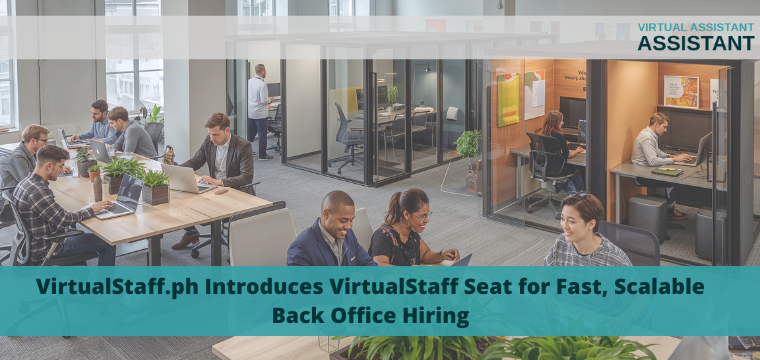
This is where VirtualStaff.ph has emerged as the preferred solution for more than 25,000 businesses worldwide. The platform makes it simple for SMEs to hire virtual staff and build remote teams in the Philippines – easy, affordable, and plug-and-play, without the unnecessary complexity of traditional hiring.

In this article, we’ll explore how SMEs can scale teams effectively, why overheads are often the biggest obstacle to growth, and how VirtualStaff.ph helps businesses expand without the headaches of bloated fees or complicated setups.

The Problem with Traditional Hiring

When SMEs think about expansion, the first hurdle is usually cost. Hiring local employees can create significant financial burdens. Some of the most common overhead costs include:

  • Office space: Renting or maintaining physical office space adds ongoing costs.
  • Employee benefits: Healthcare, retirement contributions, and other benefits increase expenses.
  • Extra payroll and HR work: Managing local staff often means more paperwork and admin for business owners.
  • Recruitment costs: Advertising roles, screening resumes, and onboarding can be time-consuming and costly.
  • Equipment and utilities: Providing computers, phones, and electricity for every staff member adds up quickly.

For small businesses operating on tight budgets, these overheads can slow down growth and limit competitiveness.

Why SMEs Are Turning to Remote Teams

The rise of remote work has opened up new opportunities for SMEs. By leveraging global talent pools, SMEs can:

  • Access skilled professionals at affordable rates
  • Expand without needing office space
  • Skip unnecessary overheads that eat into margins
  • Operate with more flexibility
  • Scale teams faster with less financial risk

For SMEs that want to grow lean while maintaining high-quality operations, building remote teams is no longer optional; it is essential.

VirtualStaff.ph: A Scalable Solution for SMEs

VirtualStaff.ph has positioned itself as the go-to platform for SMEs that want to scale without extra overheads. Unlike typical outsourcing companies that bloat salaries and bundle fees, VirtualStaff.ph gives SMEs transparent pricing, control, and a simple system that works.

Why VirtualStaff.ph Works for SMEs

  • Flat $99 per seat pricing: Simple, predictable costs without surprises.
  • You choose the salary: Most SMEs pay between $500 and $1,500/month depending on the role.
  • Hands-off admin: Payroll and staff management handled behind the scenes so you can focus on growth.
  • 1 million+ pre-vetted Filipino staff available: Skilled professionals ready to plug into your business.
  • 14-day money-back guarantee: Complete peace of mind when hiring.

This model allows SMEs to scale quickly while staying in control of costs.

The 3-Step Hiring Process That Simplifies Scaling

VirtualStaff.ph removes the usual complexities of building remote teams. The hiring process is straightforward:

Step 1: Buy a Seat

Each seat costs $99/month. That’s it – no add-ons, no hidden markups.

Step 2: Open Your Role

Create a listing that outlines the role you need. Within hours, pre-vetted Filipino staff will start applying.

Step 3: Hire and Manage

You choose who to hire, they report directly to you, and VirtualStaff.ph keeps things running smoothly in the background.

It’s simple, fast, and stress-free.

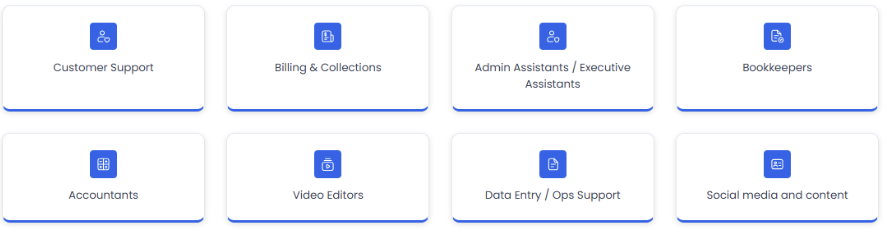
Popular Roles SMEs Hire on VirtualStaff.ph

SMEs across industries have successfully used VirtualStaff.ph to build remote teams in the Philippines. Some of the most in-demand roles include:

These roles allow SMEs to offload repetitive tasks, strengthen operations, and focus on core growth activities.

Cost Savings: A Major Advantage for SMEs

For SMEs, cost is often the deciding factor when choosing how to expand. Hiring locally can cost three to four times more than building remote teams in the Philippines.

Salary Ranges for Full-Time Filipino Staff

  • Entry-level: $500 to $800 per month
  • Mid-level: $800 to $1,200 per month
  • Specialized roles: $1,200 to $1,500 per month

When combined with the flat $99 per seat fee, SMEs save thousands each month compared to hiring locally or using overpriced outsourcing firms.

How VirtualStaff.ph Helps SMEs Avoid Extra Overheads

Let’s break down exactly how VirtualStaff.ph eliminates the typical overheads associated with traditional hiring:

  • No office rent: Staff work remotely from the Philippines.
  • No overpriced agencies: You hire directly inside the platform.
  • No payroll headaches: Salary payments and admin are done for you.
  • No equipment costs: Most staff already have the necessary tools to work from home.
  • No hidden markups: You decide how much to pay your staff, with no additional charges.

This allows SMEs to allocate resources to business growth rather than administrative costs.

Building Long-Term Teams vs. Freelancers

Many SMEs are familiar with hiring freelancers. While this can work for one-off tasks, it rarely provides the stability needed for long-term growth.

Here’s how VirtualStaff.ph compares:

Freelancers

  • Often juggle multiple clients
  • Work on short-term assignments
  • Charge hourly rates with no consistency
  • No guarantees of commitment

VirtualStaff.ph

  • Staff work directly for your business
  • Long-term roles (part-time or full-time)
  • You control the salary
  • Simple system keeps things organized without extra admin

For SMEs that need stability, VirtualStaff.ph provides a better option.

The Seat System: Built for Scalability

The innovative seat system ensures that SMEs can grow their teams as needed without complex commitments.

  • One seat = one staff member
  • Flat $99 per month per seat
  • Hire part-time or full-time staff
  • Add or remove seats as your business grows
  • Cancel anytime without penalties

This flexibility ensures SMEs can scale at their own pace.

Why the Philippines is the Best Choice for Remote Teams

Hiring in the Philippines has become the gold standard for businesses worldwide. Here’s why SMEs specifically benefit from building teams in the Philippines:

  • High English proficiency
  • Cultural compatibility with Western countries
  • Strong technical and administrative skills
  • Cost-effective workforce
  • Time zone flexibility for global operations

When combined with the plug-and-play system of VirtualStaff.ph, SMEs get skilled staff at affordable rates without the overhead stress.

Features SMEs Value Most in VirtualStaff.ph

When asked why they chose VirtualStaff.ph, SMEs consistently mention:

  • Ease of use: Simple setup and quick hiring
  • Transparency: No hidden costs or salary markups
  • Control: You choose who to hire and what to pay
  • Support: Payroll and admin taken care of for you
  • Peace of mind: 14-day money-back guarantee

These features make VirtualStaff.ph the go-to choice for scaling teams without overheads.

How SMEs Can Start Scaling Today

Getting started with VirtualStaff.ph is simple:

  1. Sign up for an account in minutes
  2. Purchase a seat for $99 per month
  3. Open your role and start receiving applications from pre-vetted Filipino staff
  4. Interview and hire your preferred staff
  5. Let VirtualStaff.ph handle the admin while you focus on growth

Within days, SMEs can begin scaling their teams without adding any unnecessary overhead costs.

Conclusion

Scaling a business should not mean overwhelming payroll expenses or skyrocketing overheads. With VirtualStaff.ph, SMEs finally have a straightforward, affordable, and stress-free way to hire virtual staff and build remote teams in the Philippines.

By keeping things simple and eliminating unnecessary costs, the platform has already helped more than 25,000 businesses grow smarter, faster, and leaner.

For SMEs looking to expand without the risks and costs of traditional hiring, the solution is clear:

Start building your remote team today with VirtualStaff.ph and scale your business without extra overheads.


Read More

How Virtual Assistants Run Remote Recognition Programs

How Virtual Assistants Run Remote Recognition Programs

If you want to be successful as a Virtual Assistant (VA), you must be flexible and versatile. With the right skills, you can be the invisible cog that keeps the entire machinery running. And once you reach this level, no client would dare to cross you.

But you first have to earn customers’ trust and prove your skills. One way to do so is by helping them put together a remote recognition program. This system works well for remote and hybrid teams, and many business owners struggle with it. 

With your experience as a remote worker, you will be able to create a customized program that tracks team(s) progress and creates easy-to-understand paths to rewards. And if you’re new to this, here are three steps to take to get started.

Program Setup and Documentation

First, you sketch the program and decide on the official criteria for recognition. Will you reward people for meeting major goals, or will your program be a recognition of loyalty to the company? Perhaps your client prefers to reward employees who stick to the company’s core values. 

This step is important because it will shape the entire program. If you build it around accomplished goals, you have to decide on said goals and whether you’ll reward individual or group work. 

If you go with the seniority and loyalty program, you have to design the tiers (3 years, 5 years, 10 years) and the rewards for each. It’s also a question of whether everyone who stays with the company for a long time will receive the reward, or if the recognition will be reserved for those who’ve achieved impressive tasks.

Part of being an amazing VA is knowing how to keep communication flowing even when you’re thousands of miles away. But in this case, you also have to create the necessary digital spaces for shout-outs and award nominations.

The good news is that you can use tools you’re extremely familiar with, such as Slack/Teams channels or Google Form/SurveyMonkey. 

Nomination and Tracking

If your client isn’t using one yet, ask them to implement a project management (PM) platform, like Asana, Trello, or Hubstaff. These automate keeping track of remote workers and their progress and achievements, and provide you with insightful data for the recognition program. 

In parallel, ask everyone in the team(s) to nominate colleagues they think are worthy of special recognition via the forms you set up. Check nominations against the program rules and the data from the PM platform. 

This way, you cover all your bases and make sure you don’t miss anyone’s efforts. When you don’t see the people you work with or interact with them day-to-day, these sorts of measures are necessary.

Fulfillment and Communication

You’ve set up the system and are actively tracking performance. All that’s left is to decide on the type of reward to offer. These can be anything from e-gift cards, physical awards, vouchers for services they use (gym, restaurants, healthcare, etc.), or a combination of all these options.

While sending out digital perks is the easiest way to go, including a physical award is the best way to show your appreciation for top workers. If the company owner agrees, you can order custom-made crystal awards online engraved with each employee’s name and efforts to support the company.

You also have to coordinate shipping and make sure costs fit within the budget, since awards may have to go to different countries or continents.  

Lastly, prepare a formal public recognition. This can be an announcement in a company newsletter, a public “kudos” post, or a spotlight during a video meeting.

Conclusion

Once you take all these steps and put together an amazing remote recognition program, your client will know you are the real deal. Your position as a VA will be secured for as long as you’re prepared to work with this client. Good luck moving forward!

Read More

Is Becoming a VA the Right Freelance Path for You? 7 Questions to Answer

Is Becoming a VA the Right Freelance Path for You? 7 Questions to Answer

Over the past decade, the virtual assistant (VA) industry has rapidly grown in the Philippines, evolving from a niche role into a mainstream career path for many Filipinos. While the prospect is exciting for those looking to start their freelance journey, it’s important to recognize that being a VA comes with its own set of challenges, like managing and converting your earnings from foreign clients. Thankfully, digital tools like e-wallets now offer features tailored to freelancers, such as Maya’s free PayPal to Maya transfers, making salary handling much smoother.

That said, becoming a VA isn’t a decision to rush into. It’s important to take a step back and ask yourself a few key questions to better understand what the work involves and whether it aligns with your goals and lifestyle. To help you gain that clarity, here are some important questions you can reflect on, giving you a clearer picture of whether this particular freelance path is the right fit for you:

1) Do I Have the Skills Required to Be a VA?

Being a VA usually means juggling a variety of tasks, ranging from managing emails and calendars to handling social media or even basic bookkeeping. Knowing whether you already have these skills, or are willing to pick them up, helps you figure out what kind of work you can confidently take on. If you have some of these skills or a strong desire to learn, you’re already off to a great start.

Keep in mind that many skills needed to be a VA can be learned along the way. There are plenty of online courses and resources that can help you build what you need, so don’t let a lack of experience hold you back if you’re motivated to grow.

2) Am I Comfortable Working Independently and Managing My Own Schedule?

As a VA, you’ll often be working remotely without direct supervision. That means managing your time well, meeting deadlines, and staying motivated on your own are all essential parts of the job. If you enjoy having control over your workday and can stay organized, this could be a great fit.

However, if you’re used to a more structured environment with close supervision, it might take some adjustment. Learning to stay disciplined and motivated on your own is part of the freelance journey, and it can be really rewarding once you get the hang of it.

3) Do I Have the Right Workspace and Tools to Work Remotely?

To work effectively as a VA, having a quiet, comfortable workspace and a reliable internet connection is a must. You’ll also need basic equipment like a computer with decent specs and noise-canceling headphones to ensure smooth communication with clients. If you can set this up at home, you’ll be in a stronger position to stay focused and deliver quality work without unnecessary distractions.

If your current space or tools aren’t quite there yet, it’s worth thinking about what you might need to invest in or improve. Sometimes, even small changes like finding a quieter corner or upgrading your internet plan can make a big difference in your productivity.

4) How Well Do I Handle Communication and Customer Service?

A big part of being a VA involves communicating clearly and professionally with clients, whether by email, phone, or chat. If you’re comfortable expressing yourself and handling questions or feedback calmly, that will help you build strong working relationships.

If communication isn’t your strongest skill, don’t worry, as it’s something you can improve with practice. You can also choose VA roles that require less direct interaction if that feels like a better fit, all while you build confidence.

5) Am I Ready to Market Myself and Find Clients?

Freelancers often need to promote their services and find clients, which means getting comfortable with networking and self-promotion. If you’re proactive about reaching out and showcasing what you can offer, you’ll have an easier time growing your VA business.

Understandably, marketing yourself can feel intimidating at first. You can ease into it by building a simple online presence, asking past colleagues or contacts for referrals, or working with agencies that connect VAs with clients. Over time, as you gain experience and confidence, putting yourself out there will start to feel more natural.

6) Do I Have Realistic Expectations About Income and Workload?

In the beginning, working as a freelancer can be unpredictable. It will likely take some time to build a steady client base and reach your desired income bracket. Knowing this helps you prepare financially and avoid frustration along the way.

Having realistic expectations also means planning ahead, whether that’s keeping a part-time job while you grow your VA business or setting savings goals to help you through slow periods. Patience and persistence are key to turning virtual assistant work into a stable, long-term source of income.

7) How Much Do I Value Work-Life Balance and Flexibility?

One of the biggest perks of being a VA is the flexibility to work from anywhere, often on your own schedule. If having control over your time and environment matters to you, this career path can significantly enhance your work-life balance.

However, this flexibility can sometimes blur the boundaries between work and personal life. Setting clear limits and establishing daily routines will help you stay productive without allowing work to spill into your off-hours.

With the help of the questions above, you can gain clearer insight into whether a VA career truly aligns with your priorities and the way you want to work. It’s not just about having the necessary skills but also about understanding the kind of freelance life you want to create. Take your time, trust the process, and remember that the best path is the one that feels right for you.


Read More

How Freelancers Can Build Financial Support Systems for Themselves

How Freelancers Can Build Financial Support Systems for Themselves

Managing money can be tricky when you’re a freelancer. Some months, you’re juggling a lot of projects. Other months, you’re wondering where you can find your next client. If you’re living the freelance life, that makes it all the more important for you to establish a financial support system for yourself, including savings and working capital. You’ll rely on this money to keep your freelancing work moving, even when things slow down.

As a freelancer, you may have limited assets to your name. This means that you’ll need to find other sources to get funds. You’ll also still want to avoid dipping into your savings and using your credit card at the risk of exceeding your credit limit.

Now’s the best time to apply for a low interest personal loan and do other things to fortify your financial support system. Here are some tips you’ll always go back to in your freelance life: 

1) Keep a Steady Cash Flow

Freelancers don’t just work; they also run their own businesses. That means that as a freelancer, you’ll have regular expenses to think about, like buying supplies, paying bills, and even handling taxes. These costs can pile up, especially during slow months. 

A personal loan can give you the extra support you need to stay on top of these regular payments without falling behind. You can use the funds from a Maya Personal Loan, with a monthly add-on interest rate as low as 0.77% per month for a 24-month installment period, to buy important supplies, like printer ink, office furniture, or software subscriptions. Then, use the rest to pay monthly bills like internet or electricity. And don’t forget taxes—setting aside money from your loan for taxes can save you from big headaches later on.

Instead of feeling stressed when payments are late or clients aren’t offering projects, you’ll at least have a cushion you can use to cover your daily needs. This way, you can focus on finding new clients—without feeling rushed or desperate.

2) Upgrade Your Tools for Managing Money and Other Essentials

All freelancers are also responsible for their own gear and arsenal of solutions. If your laptop freezes every hour or your camera looks like it belongs in a museum, you’ll want upgrades sooner than later. You’ll also want to onboard apps or solutions that will allow you to finish projects quickly and more efficiently and to handle basic money management for receiving funds and paying bills.  

If you’re serious about your freelance projects, don’t wait until the last minute to invest in better equipment like a powerful laptop, a second screen, a drawing tablet, or even a faster internet connection. It will also be worth it to subscribe to useful online tools and apps that can make your work easier and your resources easier to manage. 

Better tools help you work smarter, not harder. If you can deliver better work at a more rapid pace and have a system for taking care of essential tasks, your clients will notice—and they’ll be happy to keep working with a professional like you.

3) Increase Your Value as a Professional

Learning doesn’t stop after school—especially for freelancers. If you want better jobs, higher pay, and a bigger boost to your savings, now’s the time to develop your skills and add value to your personal brand. For example, if you’re a social media manager, you could take a course on Facebook Ads or TikTok marketing so that you can charge more for your services. 

You might also want to try something new and expand your services in order to diversify your base income. Maybe you’re a writer who wants to learn graphic design or a photographer interested in video editing; either way, you can figure out your options for earning more.  

4) Market Yourself More Aggressively

As a freelancer, you’re the one who takes care of marketing yourself. After all, clients can’t hire you if they don’t know you exist. If you want to earn more and get the most value out of the time you spend freelancing, make an effort to reach more people and get more jobs. Determine how many engagements you’ll need to take on per month in order to break even and have enough to put away in your savings.

Attend networking events, join online communities, or even go to conferences where you can meet potential clients face-to-face. You’ll likely be able to attend many of these events for free or for a reasonable price. Do so knowing that one good connection can lead to several new projects and a more consistent income.

Indeed, marketing might feel like an extra expense, especially when you’re short on funds or feel like you have very little time. But it’s really one of the most important long-term investments you can make given that when the number of people who know about your work increases, the opportunities for more work and higher earnings can only expand further.

5) Manage Bigger Projects

One day, a client might offer you a big project. But big projects often need more money upfront. You might have to hire an assistant, buy specialized tools, or even travel—all before you get paid.

Knowing that, see where you can source working capital so that you can grab these chances without worry. Source enough cash, for example from a loan or from the earnings of a previous project, to cover your costs and the confidence to deliver great work. 

6) Manage a Multi-Tier Emergency Fund

Early in your life as a freelancer, you may have learned how important it is to save money for a rainy day. Every freelancer should have an emergency fund for the months where, for whatever reason, it’s difficult to find work. 

But don’t stop at the commonly accepted expectation to set aside 3 to 6 months’ worth of income. To better support yourself during a dry season, top up your emergency fund with even more once you get the opportunity. During busier months, aim to put away enough from your project earnings to collect between 6 months’ worth and 12 months’ worth of income. Keep these savings separate from the account you use for business spending so that you’re not tempted to touch it when you don’t need to. 

A Smart Approach to Money Management in Your Freelance Life

Just as it would be if you were working a regular 9 to 5, managing your money as a freelancer is all about being smart and efficient with what you have. Pick a low-cost personal loan that fits your needs, borrow only what you can comfortably pay back, treat the money like a tool to boost your career, and constantly look for ways to increase your baseline freelance income. Your discipline and initiative today could open big doors for you tomorrow. 


Read More

How Virtual Assistants Can Optimize Project Management in Your Business

How Virtual Assistants Can Optimize Project Management in Your Business

Project management is a cornerstone of modern business operations, yet it often comes with challenges such as tight deadlines, distributed teams, and data overload. To remain competitive, organizations are adopting innovative solutions that streamline workflows. Virtual assistants, paired with professional proxy services, are increasingly recognized as powerful tools for enhancing efficiency, securing access to global resources, and keeping projects on track.

The Expanding Role of Virtual Assistants in Business

Traditionally, virtual assistants (VAs) were hired to handle administrative tasks like scheduling meetings, answering emails, or processing invoices. Today, their role has expanded to include sophisticated project management support. Equipped with advanced software and automation tools, VAs can assign responsibilities, track progress across multiple departments, and ensure that deadlines are met without delays.

This evolution has transformed VAs into strategic partners rather than simple support staff. They now serve as coordinators who ensure that every project milestone is aligned with broader business goals. With their ability to manage both routine and specialized tasks, they reduce pressure on managers and provide the consistency necessary for complex projects.

Benefits of Virtual Assistants in Project Management

Integrating virtual assistants into project workflows offers tangible benefits across industries, from marketing agencies to IT development teams. Their versatility allows organizations to operate at a higher level of productivity while maintaining quality standards.

Some of the most impactful benefits include:

  • improved efficiency — VAs handle repetitive tasks such as updating task boards, sending reminders, or preparing weekly reports, giving managers more time for strategic planning;
  • enhanced communication — they serve as intermediaries who keep teams aligned, ensuring everyone has the latest information about deliverables and timelines;
  • data-driven insights — with access to analytical tools, VAs collect and process data, enabling informed decisions based on accurate metrics;
  • scalability — businesses can rely on VAs to manage multiple projects simultaneously without increasing staff numbers.

By combining organizational skills with digital tools, VAs allow businesses to expand operations while maintaining flexibility.

Data Collection and Analytical Support

One of the most demanding aspects of project management is data handling. In competitive industries like e-commerce or digital marketing, managers need access to large volumes of information in real time. Virtual assistants can be trained to work with automation tools that scrape search engine results, monitor competitor pricing, and verify the effectiveness of advertising campaigns.

The insights generated from this data ensure that teams can quickly adapt strategies to changing market conditions. For example, an e-commerce retailer can rely on a VA to generate daily reports on competitor pricing and stock availability. A digital agency, on the other hand, may depend on VAs to compile performance data from multiple campaigns into a single dashboard for easier analysis.

Overcoming Geographic Barriers

Businesses today often serve audiences across multiple countries. This presents unique challenges, such as verifying how content appears in different regions or ensuring compliance with localized regulations. Virtual assistants play a critical role by coordinating access to global content and monitoring how products, advertisements, or websites perform in target markets.

By leveraging tools that simulate users from diverse regions, VAs provide managers with accurate visibility into global performance. This is essential for marketers who need to confirm that advertising campaigns display correctly in every location or for IT testers evaluating apps in different environments. Without such insights, businesses risk misaligned campaigns or overlooked technical issues.

Virtual Assistants and the Power of Automation

Automation has become indispensable in modern project management, and virtual assistants excel at integrating it into everyday workflows. They can manage automated reporting systems, schedule recurring updates, and even oversee bots that handle routine interactions. By acting as operators of these systems, VAs ensure that automation aligns with human objectives.

This is particularly valuable in SEO, data collection, and traffic arbitrage, where constant monitoring and quick adjustments are essential. Virtual assistants help bridge the gap between automated processes and managerial oversight, ensuring that workflows remain efficient and adaptable.

Security and Stability in Project Workflows

As businesses rely more on digital tools, data privacy and workflow stability become top priorities. Virtual assistants are often responsible for coordinating access to sensitive platforms and ensuring that systems remain secure. They also help manage the risks associated with frequent IP changes, automation tasks, or geo-targeted content checks.

Stable, secure workflows minimize the risk of interruptions that can delay project delivery. For example, when monitoring search engine results or testing global app performance, disruptions in access can undermine the accuracy of insights. With the right tools, VAs maintain seamless operations, reducing the likelihood of costly delays.

Read More