
 5 Essentials You Must Know When Hiring a Fashion and Embroidery Virtual Assistant
In recent years the fashion world has adopted massive digital transformation in embroidery fashion. The global embroidery market is estimated to hit almost $2.95 billion by the end of 2026, with North America holding a strong 22% to 35% depending on the sub-niche.
Famous for custom designs Digitizing Lord has also confirmed that around the globe embroidery digitizing demand is constantly raising. More than 68% of apparel manufacturers use embroidery digitizing for branding, and almost 37% of firms experiencing a critical shortage of skills to complete orders.
To close this gap, wise fashion entrepreneurs are looking to hiring specialized remote talent to fill the void. But you do not only hire general employees, you need a niche related experts to fill your gap, someone who knows fashion textile art, and can appreciate how it meets digital worlds.
Remember these five essentials when hiring a fashion and embroidery virtual assistant.
Table of Contents
1. Mastery of Technical Embroidery Digitizing
In the world of professional embroidery, the transition from a flat graphic to a needle-ready file is where the magic happens. A virtual assistant (VA) in this space must be more than a graphic designer and they must be a technical architect and must know the process of embroidery digitizing level.
-
The Difference Between Design and Digitizing
Generic VAs might know how to use Canva, but a fashion-specialized VA understands embroidery digitizing using sophisticated software. This is the process of converting artwork into a digital readable machine files are known as .DST or .PES, that tells an embroidery machine exactly how to move. Without this skill, your designs will suffer from poor stitch density, bird-nesting, or fabric puckering.
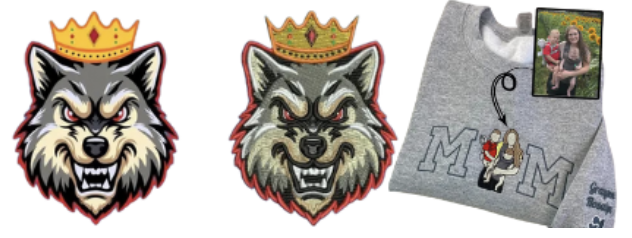
Ensure your hire is proficient in industry-standard software like Wilcom Embroidery Studio or Hatch, which are the gold standards for professional results.
-
Fabric knowledge and Push-Pull Compensation
An experienced VA knows that an embroidery digitized file to run on a heavy denim jacket will not work on a thin performance polo. They understand the surface of fabric like push and pull compensation way the thread tension moves the fabric as it stitches.
Reports suggest that computerized embroidery systems can reduce scrap rates from 12% to just 1.5% compared to manual, but only if the file is digitized properly understanding the machine hoop. Your VA should be ready to discuss how they adjust for stitch paths on various garment weights to keep your brand looking consistent.
2. Proficiency in Specialized Fashion Software
The fashion industry relies on a specific ecosystem of tools that go beyond the standard office suite. If your VA isn’t fluent in these, your production timeline will inevitably stall.
-
Adobe Creative Suite and Vector Perfection
Embroidery Digitizing is the final step and it does rely on vector art of the custom design file. Your VA should be highly skilled in Adobe Illustrator and tech pack creation so they can put together some clean lines for digitizing process of a complex design. Low res JPEGs can create performance issues. A wise VA will vector the client logo automatically before even opening their digitizing software interface.
-
Product Lifecycle Management (PLM) and Inventory Tools
Beyond the creative side, a fashion VA helps manage the business of fashion across different digital platforms. This includes using tools like Shopify for e-commerce management or any other tool for production tracking.
With e-commerce embroidery platforms now capturing 60% of emerging market demand, having a VA who can manage back-end product listings while simultaneously preparing production files is a competitive necessity.
3. Deep Knowledge of Global Supply Chain Logistics
Reviewing social media trends in 2026 you will witness that fashion industry is notoriously fragmented. A design created in New York might be digitized by a VA in the Philippines and manufactured in Vietnam.
-
Managing Manufacturer Relationships
Communication is the most common point of failure in fashion outsourcing. Your VA should act as the liaison between your creative vision and the factory floor. They must be comfortable reading tech packs, discussing MOQs (minimum order quantities), and troubleshooting shipping delays. This managed service approach is becoming the norm, as the AI in fashion market including virtual supply chain assistants is expected to grow at a 40.8% CAGR through 2026.
4. Sourcing Sustainable Materials
Today’s consumer is increasingly eco-conscious, with 46% of embroidery firms now adopting sustainable threads and fabrics. Your VA should have the research skills to source GOTS-certified organic cotton or recycled polyester threads. They need to understand how different thread types rayon vs. polyester affect both the carbon footprint of your brand and the physical shine and durability of the finished embroidery.
-
Precision in Quality Control and Proofing
In embroidery, a single misplaced stitch can ruin an entire garment. Because your VA is working remotely, they must have a rigorous system for virtual quality control.
-
Virtual Stitch Outs and Simulation
Virtual visibility of a stitched embroidery design gives customers additional energy and satisfaction for their work. This can be in image file format or in PDF output. Modern software allows digitizers to generate a high-fidelity video simulation of the embroidery process. This allows you to see the sequence of color changes and the direction of the stitches.
Professional digitizers often handle hundreds of designs weekly, and a top-tier VA will use these simulations to catch errors in pathing that could cause excessive jump stitches or thread breaks.
-
Standardizing Brand Guidelines
Consistency is the hallmark of luxury. If you are producing 5,000 embroidered caps, the logo on the first must match the last perfectly. Your VA should maintain a digital brand Bible for your embroidery projects, documenting specific thread weight usually 40wt, pantone-to-thread color matches like Madeira or Robison-Anton, and approved stitch types satin vs. fill.
3. Security Protocols for Proprietary Designs
The fashion world is plagued by fast mode copycats. Protecting your intellectual property is a non-negotiable essential when hiring a remote team.
-
Protecting Digital Embroidery Assets
Your digitized files are the DNA of your brand. According to the Federal Trade Commission, counterfeit goods represent 28% of global trade, often fueled by leaked digital design files. When hiring a VA, you must ensure they use secure cloud storage like encrypted Dropbox or Google drive folders and sign a robust non-disclosure agreement.
-
Secure Data Handling
Beyond design theft, your VA may have access to your customer data like design requirements and payment gateways. Ensure they follow US security standards, including the use of Two-Factor Authentication (2FA) and password managers.
As the fashion industry integrates more AI and remote workflows, the hidden cost of poor cybersecurity has become a major challenge for 32% of firms. Hiring a VA who prioritizes data integrity is just as important as hiring one who can produce a beautiful satin stitch.
Conclusion
Hiring a virtual assistant for your fashion and embroidery business is a strategic move that can save you thousands in overhead while scaling your production capacity. By focusing on technical embroidery digitizing skills, software proficiency, and rigorous security, you can ensure your brand stays on the winning side of the $1.69 billion embroidery market expected this year.