

 The gig economy completely revolutionized how we hire for short-term projects. Also need a logo designed? Hire a freelancer. Need a one-off spreadsheet formatted? Go to a marketplace platform.
But a massive problem arises when growing businesses try to use those same marketplace platforms to scale their permanent core operations.
Entrepreneurs and operational leaders frequently attempt to piece together customer support, administrative, and back-office teams. They perform it by hiring independent contractors off the internet. As a result almost always a chaotic revolving door. But the turnover is exceptionally high. Vetting is non-existent. And because the talent owes no long-term loyalty to the company, they disappear the moment a higher-paying gig comes along.
Scaling a business requires retention, and marketplace platforms are fundamentally designed for transactional work, not retention.
To break free from the marketplace trap, businesses must shift from hiring fragmented freelancers to partnering with managed nearshore staffing firms. The difference lies entirely in the infrastructure.
A premium managed staffing provider doesn’t just hand you a resume. Because they execute rigorous, multi-tiered vetting covering behavioral fit, technical skills, and language fluency. More importantly, they place professionals on a dedicated, full-time basis. So they actually learn your internal software, understand your company culture, and act as a true extension of your domestic staff.
When you combine that dedicated staffing DNA with a US-managed corporate structure that handles all international HR and compliance, the risk of remote hiring drops to zero.
You cannot build a stable, scalable company on the backs of temporary gig workers. At some point, you have to transition from buying tasks to building teams.
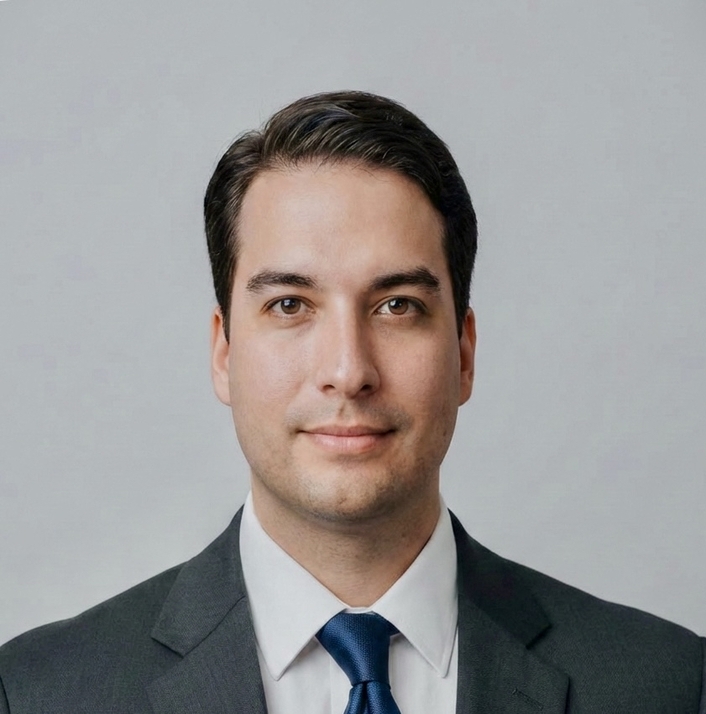 Author Bio: Kevin Romero is the Founder and CEO of Gloov Outsourcing, a premier US-headquartered managed workforce provider. Operating out of New Jersey, Kevin specializes in helping growing businesses scale efficiently by connecting them with dedicated, bilingual nearshore professionals in Colombia through a secure, US-managed operational framework.
